
When They Start
The first baby tooth often appears around 6 months of age.
Baby teeth help children chew, speak, smile, and hold space for adult teeth that arrive later.
Baby teeth, also called primary teeth, are the first set of teeth in a child's mouth. Most children grow 20 baby teeth, and those teeth help with chewing, speaking, smiling, and guiding permanent teeth into place.
Because primary teeth have thinner enamel than adult teeth, they need steady care. Brush gently every day, use the toothpaste amount recommended by a dentist, and keep regular dental visits so tooth growth can be checked.
The first baby tooth often appears around 6 months of age.
The full set of 20 primary teeth is usually in place by age 2 or 3.
Primary teeth loosen as permanent teeth begin replacing them through tooth exfoliation.
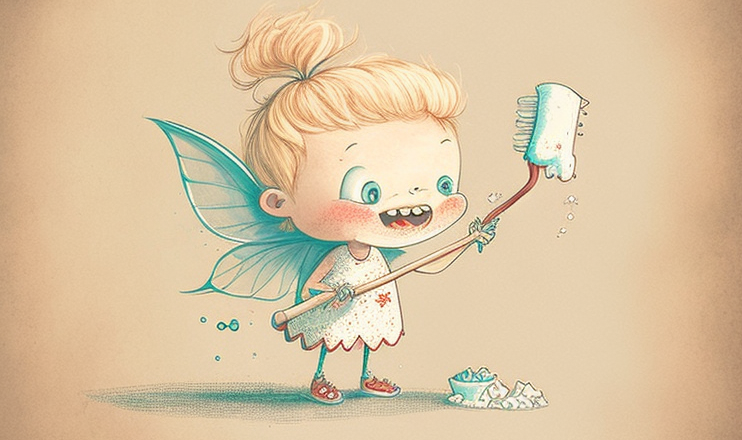
The tooth fairy is a traditional figure in Western folklore who is believed to visit children and exchange lost baby teeth for small gifts or money, often left under a child's pillow while they sleep.
The tooth fairy is thought of as a magical figure who collects and keeps children's teeth as they grow and lose their baby teeth. The tradition dates back to the early 20th century and has become widely recognized.
Children often look forward to the tooth fairy because it can feel like a sign that they are growing up and becoming more independent. For parents, the tradition can be a fun way to celebrate and acknowledge the natural process of childhood growth and development.
Parents should communicate with children about the tooth fairy and establish clear expectations and boundaries around the tradition.
The tooth fairy is often shown as small and winged, similar to a fairy or an angel, and is believed to visit children at night while they sleep. When a child loses a tooth, they may place it under their pillow and wait. In the morning, the child often finds a small gift or coin in exchange for the tooth.