
First Teeth
Primary teeth usually begin appearing around 6 months of age.
Tooth development happens over many years as primary teeth arrive, loosen, and guide permanent teeth into place.
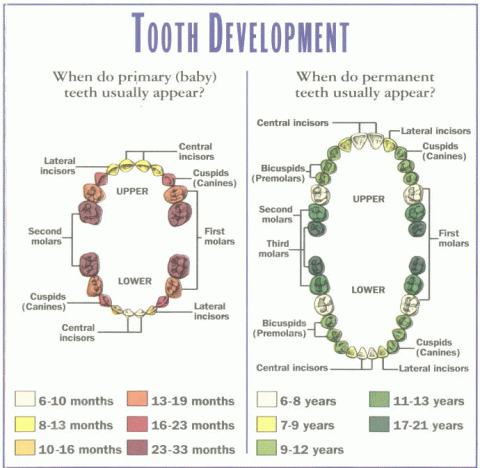
Baby teeth, also called primary teeth, are the first set of teeth that appear in a child's mouth. These teeth usually begin to emerge around the age of 6 months, and the full set of 20 primary teeth is usually in place by the age of 2 or 3 years.
Baby teeth are smaller and more delicate than adult teeth. They also have thinner enamel, the hard outer layer of the tooth, which makes them more prone to cavities.
As a child grows, the primary teeth are eventually replaced by adult teeth, also known as permanent teeth. The process of replacing primary teeth with adult teeth is called tooth exfoliation.
Primary teeth usually begin appearing around 6 months of age.
By age 2 or 3, most children have all 20 primary teeth in place.
Tooth exfoliation usually begins around age 6, when the first adult molars appear in the back of the mouth.
The process continues until around age 21, when the full set of 32 adult teeth is usually in place.
Primary teeth play a vital role in the development of the mouth and jaw. They help children chew, speak, and smile, and they help guide adult teeth into the correct position.
Adult teeth are larger and stronger than primary teeth. They have thicker enamel and are spaced farther apart, which supports proper chewing and biting.
Children should take good care of their primary teeth by brushing twice a day with a pea-sized amount of toothpaste and visiting the dentist regularly to make sure their teeth are healthy and developing properly.